
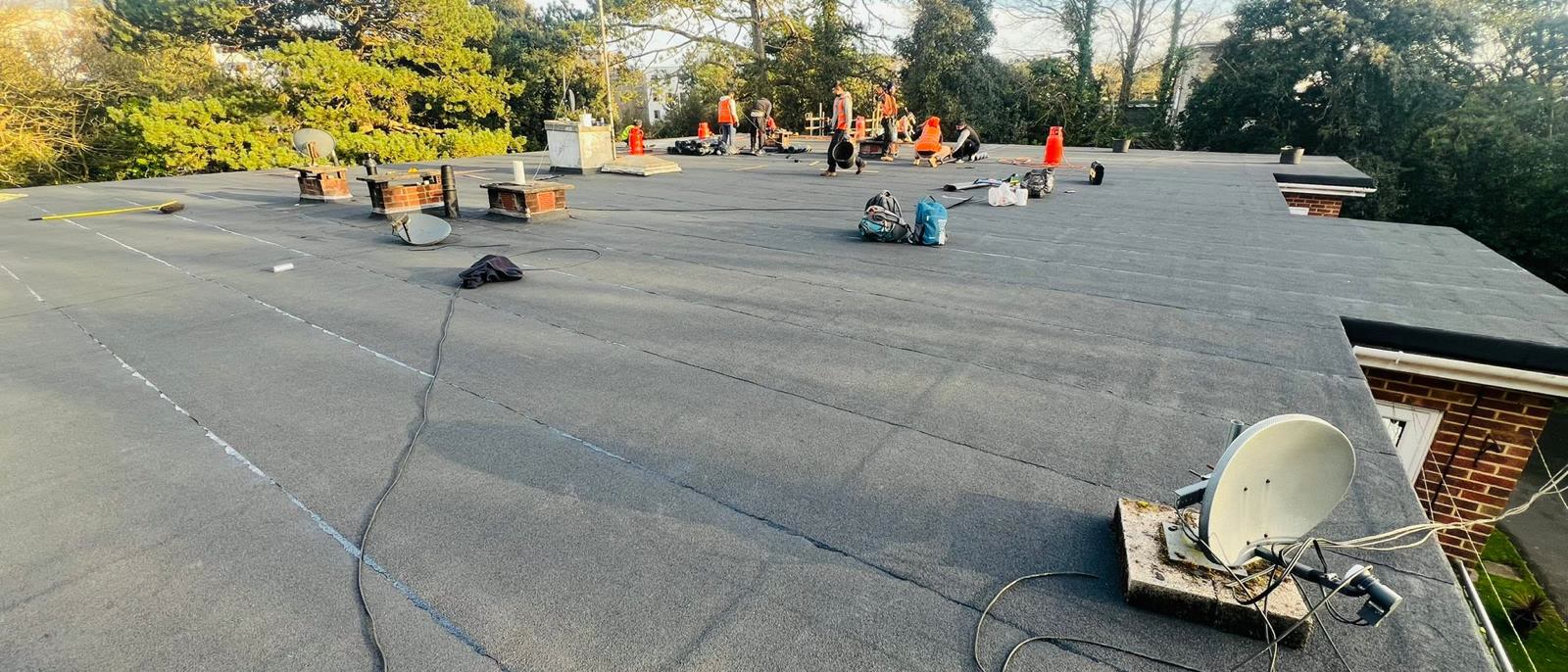
If you have an extension, a garage, a dormer or a porch with a flat top, this page is for you. We are JD Home Improvements, a family run roofing team in Shirehampton, and we fit and repair flat roofs across Bristol and the towns nearby. Below we explain how flat roofing works and what tends to go wrong locally, so you can choose well.
What flat roofing really is
A flat roof is never truly flat. A well-built one has a gentle slope, called a fall, that moves rainwater towards an outlet so it drains away rather than sitting still. Water that cannot escape is the single biggest reason flat roofs fail, so getting those falls right matters as much as the covering on top.
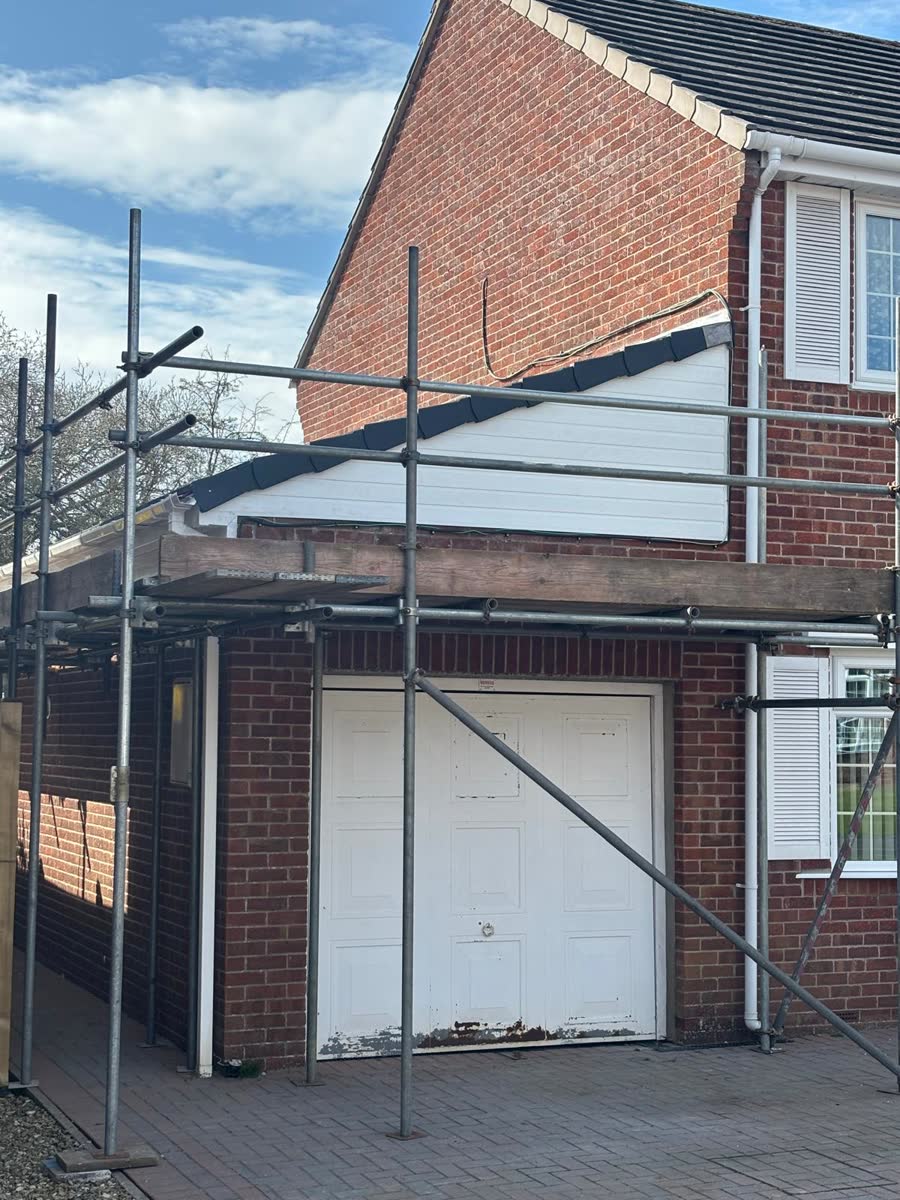
Underneath the waterproof layer sits a timber deck, and around the edges are trims and upstands that seal where the roof meets walls and gutters. When any of those details is wrong, water finds a way in. When they are right, a flat roof quietly does its job for 25 years or more.
Flat roof systems compared
Three systems cover almost every domestic flat roof. Each has its place, and the right choice depends on the roof and how it is used.
EPDM rubber roofing
EPDM is a synthetic rubber membrane, often laid as one large sheet with very few joins. That single-piece quality is its great strength, because fewer seams mean fewer places to fail. It stays flexible in cold weather and typically lasts 25 to 30 years or more. For extensions and garages, a rubber roof is hard to beat on value and lifespan.
GRP fibreglass roofing
GRP, or glass-reinforced polyester, is the fibreglass system. It is laid wet and cures into one continuous, rigid surface with no joins at all, then finished with a tough topcoat you can choose the colour of. It is strong enough to walk on, which makes it ideal for balconies and roofs that see foot traffic. GRP needs dry, mild weather to lay properly, and in the right conditions it gives a crisp, long-lasting finish.
Felt (torch-on) roofing
Today's torch-on felt is a world away from the old stuff. Built up in layers and finished with a mineral surface, it is a dependable, budget-friendly choice for garages and outbuildings, with a life of 15 to 20 years or more. It remains popular because it is cost-effective and quick to lay.
Here is how the three compare at a glance:
| System | Typical lifespan | Finish | Good to know |
|---|---|---|---|
| EPDM rubber | 25 to 30+ years | Matt membrane | Flexible, often a single sheet with few seams; great for extensions and garages |
| GRP fibreglass | 25 to 30 years | Smooth, rigid, walkable | Tough and jointless; laid in dry weather; choice of topcoat colours |
| Felt, torch-on | 15 to 20+ years | Mineral finish | Friendly on budget and much improved over old felt; ideal for garages and sheds |
Other flat roof systems we fit
EPDM, GRP and felt cover most homes, but some roofs call for something different. A roof crowded with awkward details, a balcony people walk on, a period bay or a garden on top each has a better answer, and we fit and repair all of these.
Single-ply membranes
Single-ply roofs use one thin, flexible sheet of PVC or TPO, with the joins hot-air welded so they fuse into the membrane itself. They are light and quick to lay, in pale colours that reflect the sun, which suits larger flat roofs on extensions and garage blocks. A well-laid single-ply roof can last 25 years or more, and each welded seam can be tested as soon as it is made.
Liquid-applied roofing, including Sealoflex
Liquid roofing is brushed or rolled on cold, usually with a reinforcing fleece bedded into it, and cures into a single waterproof skin with no joins at all. Because it starts as a liquid, it follows any shape, which suits roofs crowded with rooflights and pipes. It can often go over a sound existing covering too. Sealoflex is one well-known liquid plastic system, and we install and repair it on Bristol homes.
Hot melt roofing
Hot melt is a rubberised bitumen heated on site and poured onto the deck, where it bonds into a thick, continuous waterproof layer. It is most often used beneath roof gardens, paving, decking and green roofs, where the waterproofing will be buried and has to last. Laid properly, it is a very durable system that copes with standing water and heavy loads above it.
Mastic asphalt
Mastic asphalt is a traditional flat roof covering, poured hot and spread by hand into a smooth, hard surface. You still find it on older balconies and some blocks of flats around Bristol. Cracks and blisters can often be cut out and patched in new asphalt, and where an old asphalt roof is worn out we can overlay or replace it with a modern system.
Lead roofs on bays and dormers
Lead is the traditional covering for small flat and low-pitched roofs on period homes: bay windows, porch canopies, dormer tops and the little flat sections tucked between slopes. Bristol's Victorian and Edwardian terraces have plenty of them. Laid in properly sized sheets, with rolls and drips that let the metal expand and contract, lead can last for many decades. Problems usually come from sheets cut too large or old joints that have cracked, and we repair or relay these in lead so a period bay keeps its look.
Stone chippings and protective coatings
Older built-up felt roofs were often finished with a layer of bitumen and stone chippings. Those chippings shield the felt from sunlight and keep the surface cooler in summer. Over time they wash into the gutters and leave bare patches, and the felt beneath starts to dry out and crack. Where the covering is still sound, we can re-bed fresh chippings or apply a protective coating to give it more years. Where the felt itself has failed, a new membrane roof is the better spend, and we will tell you honestly which camp yours falls into.
Warm roof construction
How a flat roof is insulated matters as much as what covers it. In an older cold roof, insulation sits between the joists with a ventilated gap above, and that gap is prone to condensation that slowly rots the deck. In a warm roof, rigid insulation boards go on top of the deck, beneath the waterproof layer, so the whole structure stays warm and dry.
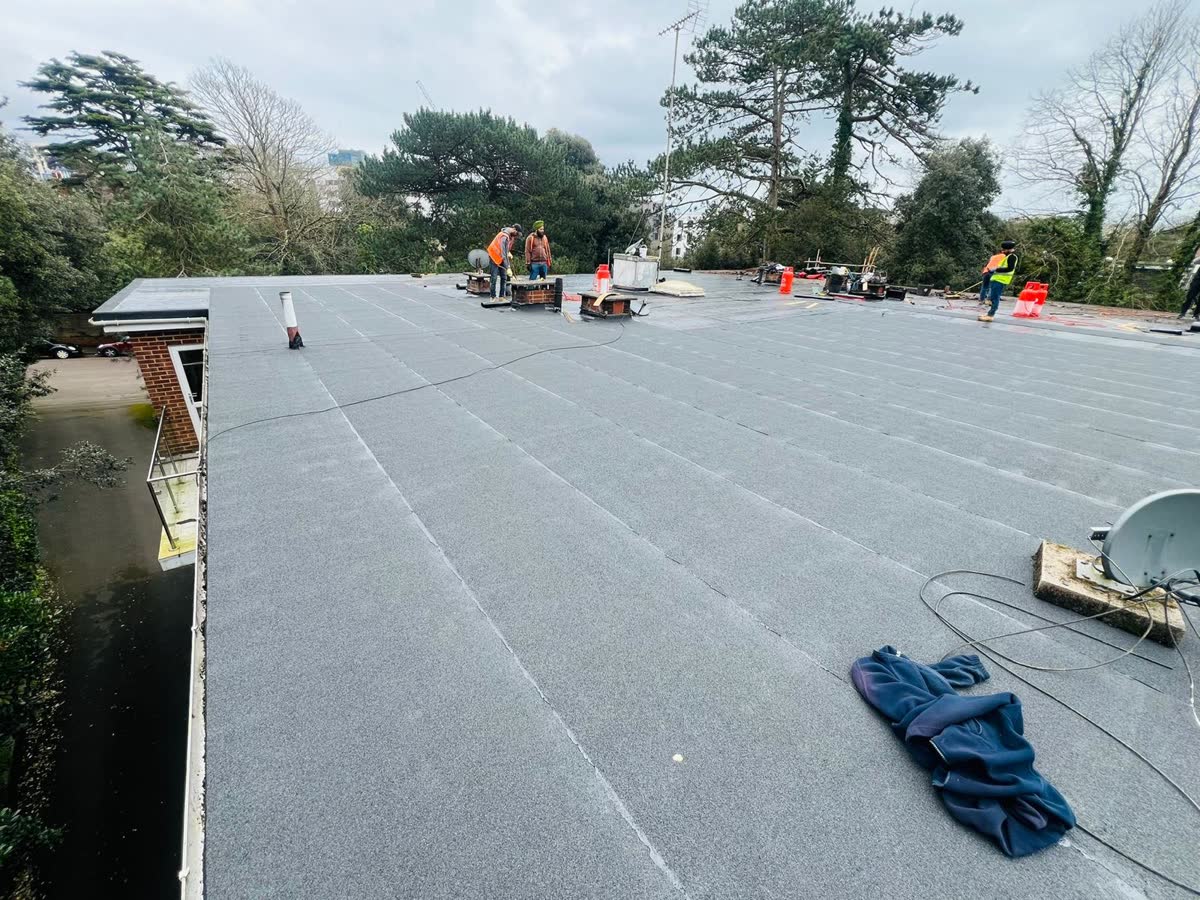
Warm roofs are now the standard way to build a flat roof, and replacing most of an existing covering usually means bringing its insulation up to current Building Regulations. A warm roof does raise the roof level slightly, so before we start we check upstands, door thresholds, window sills and edge details to make sure everything still finishes neatly. Every warm roof we build includes a vapour control layer to stop moisture from the house reaching the insulation.
Balconies and walk-on roofs
A roof that people walk on, whether a balcony or a roof terrace, needs a tougher finish than one that is only rained on. GRP and liquid-applied systems both cope well with foot traffic and can be finished with an anti-slip surface. Where decking or paving is going on top, hot melt or a membrane with a protection layer sits beneath. Balconies also bring their own details, from door thresholds and drainage outlets to balustrade fixings that pierce the waterproofing, and those details are where most balcony leaks start. We repair failing balconies and build new ones so the water goes where it should.
Flat roofs on Bristol homes
Flat roofs are everywhere in Bristol, even on streets that look all pitched from the front. Rear extensions across Bedminster and Horfield, garages on the post-war estates, flat-topped dormers on terraces, bay-window roofs and porches all rely on a flat covering.
Our damp climate puts them to the test. Standing water from poor falls and perished old felt are the faults we see week in, week out. On exposed ground and nearer the coast, wind can lift a poorly fixed edge trim too. None of this is a problem with a well-fitted modern system, which is exactly why the system and the detailing matter so much.
Common flat roof problems
A quick look from an upstairs window or a garden step tells you plenty. Watch for these:
- Water pooling on the surface days after the rain has stopped
- Splits or tears in the covering
- Bubbles or blisters, often in old felt
- Lifted or loose edge trims and flashing
- A green film or moss where water sits
- Damp patches on the ceiling of the room below
This table helps you read what you find:
| What you notice | Likely cause | How urgent |
|---|---|---|
| Water pooling long after rain | Poor falls or a blocked outlet | Worth sorting |
| A split or crack in the surface | Age or movement | Soon |
| Bubbles or blisters | Trapped moisture under old felt | Plan a repair |
| Damp on the ceiling below | A failed seam or flashing | Soon |
| Green film or light moss | Standing water and shade | Low, but clear it |
Repair or replace a flat roof?
Not every tired flat roof needs ripping off. A small split or a failed trim on an otherwise sound covering is a straightforward fix, and we will happily sort it as part of our flat roof repairs. When the covering has reached the end of its life, when blisters and splits are spreading, or when the falls were wrong from the start, a new system is the sensible spend. We will give you an honest view after a proper look, rather than talking you into the bigger job.
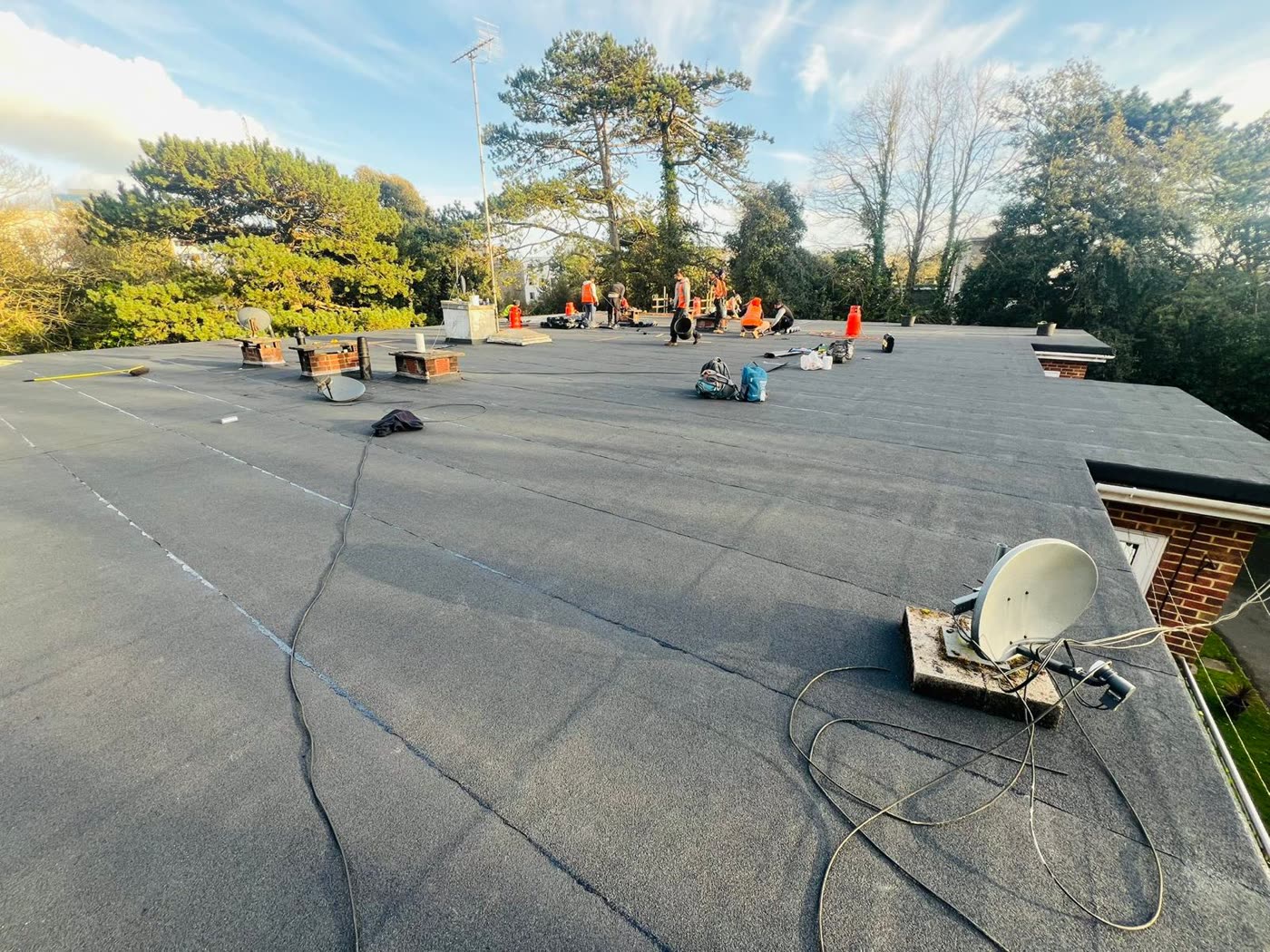
How we fit a flat roof, step by step
We like homeowners to know what they are paying for, so here is how a typical installation runs:
- We inspect and advise. We check the deck and the drainage, and recommend the system that suits the roof.
- We quote in writing. A clear, itemised, no-obligation price before any work starts.
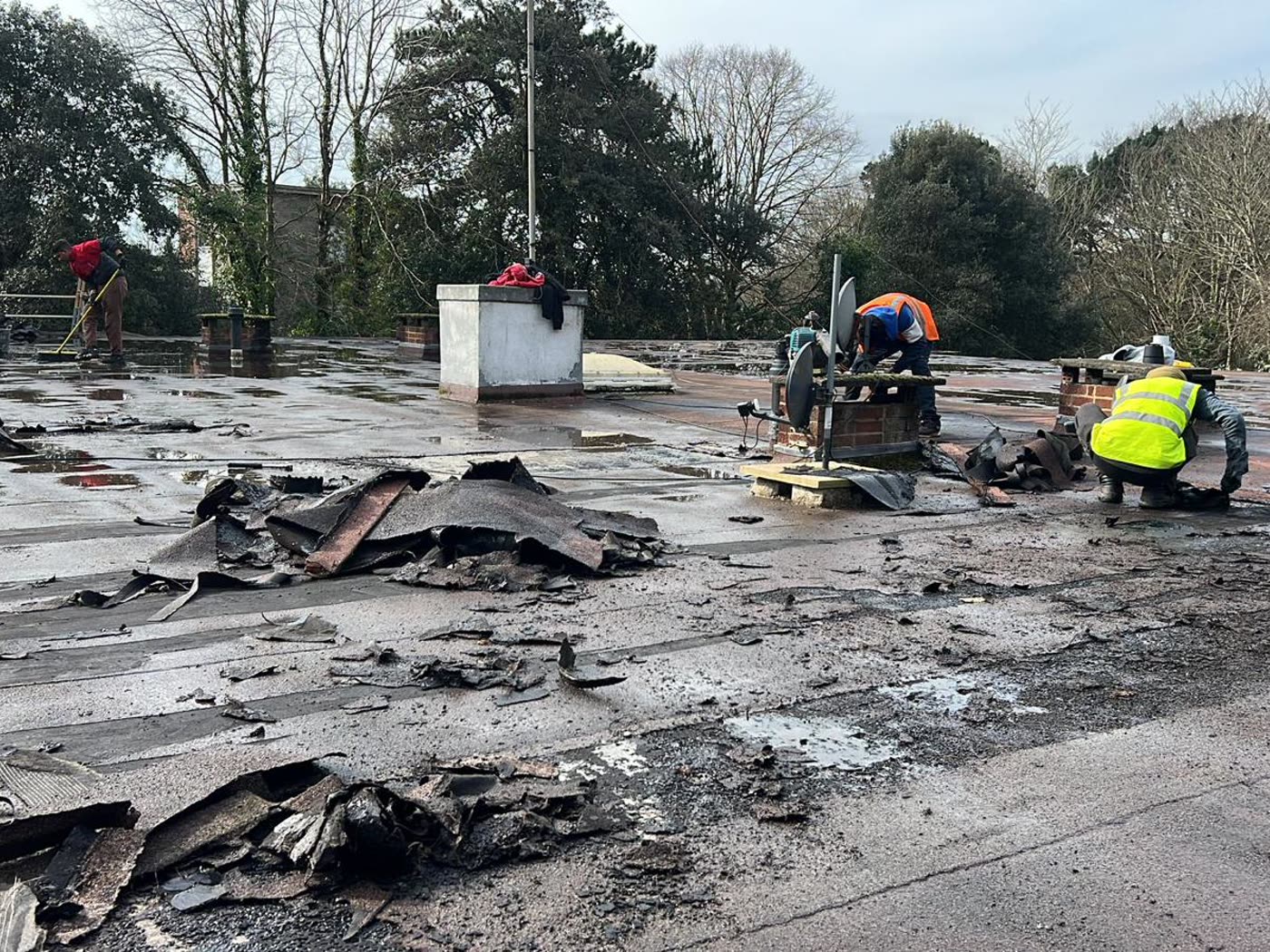
- We strip the old covering. Where we are replacing, the old material comes off and the deck is exposed.
- We sort the deck and falls. Tired timber is replaced and the falls are set so water drains properly.
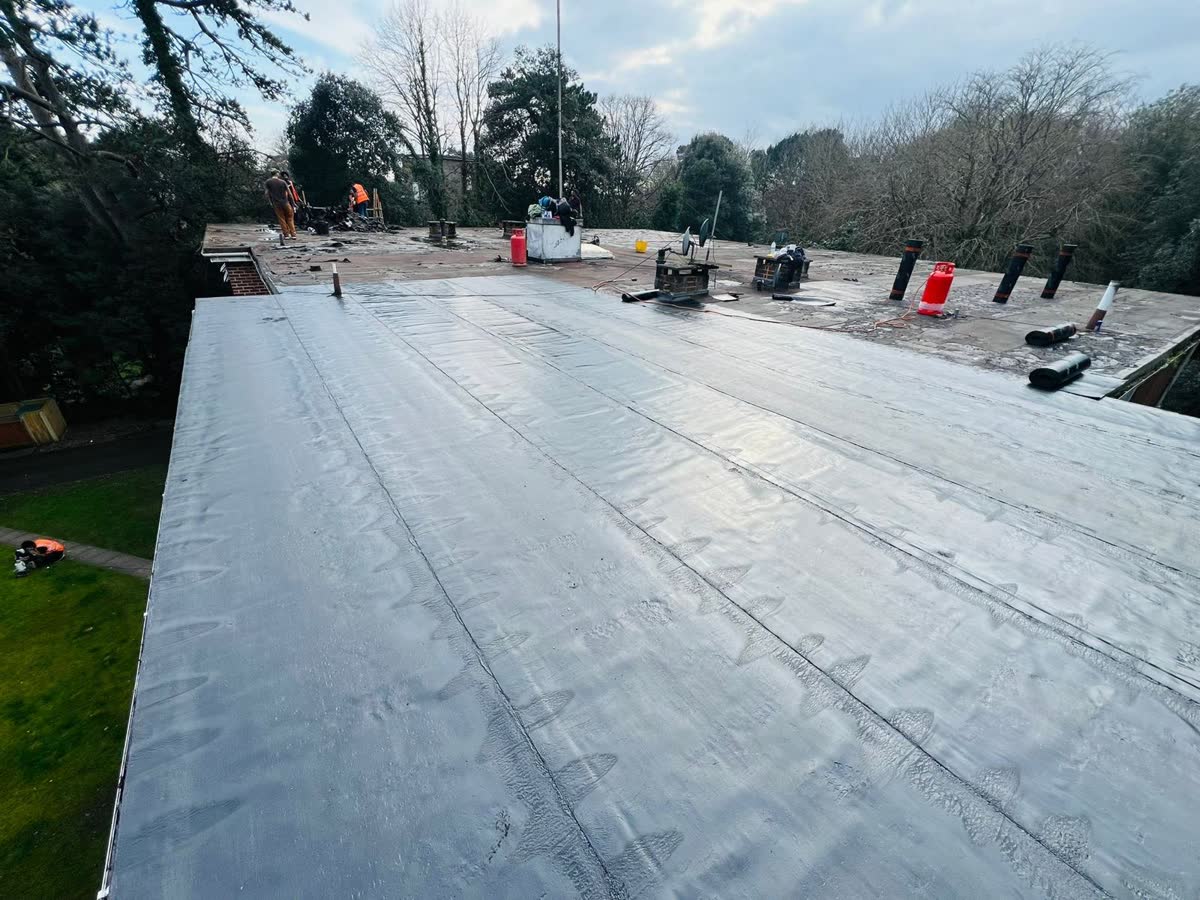
- We lay your system. Your chosen covering, with upstands and edges detailed to keep water out.
- We finish the drainage. Outlets and flashing are formed so every drop heads for the gutter.
- We check and guarantee. A final inspection and our workmanship warranty, with a 15 year guarantee on the work.
What affects the cost of a flat roof
We price every roof after seeing it, so be cautious of any figure given without a visit. The main factors are:
- The system. EPDM and GRP sit above felt on both price and lifespan.
- Size and access. A simple garage differs from a roof over a conservatory or a dormer.
- The deck. Sound timber keeps the cost down; a rotten deck needs replacing first.
- Details. Upstands, outlets, rooflights and awkward edges all add time.
Our quotes are free and come with no obligation. You can request a free quote and we will arrange to come and look.
Areas we cover
We fit and repair flat roofs across Bristol and the surrounding towns. Garage blocks and extensions near the docks in Avonmouth take a battering from estuary wind, while the Victorian terraces of Horfield are full of rear kitchen extensions with tired felt. Give us a ring and we will tell you straight away whether we cover your area.
Flat roofing FAQs
How long does a flat roof last?
It depends on the system. EPDM rubber and GRP fibreglass commonly reach 25 to 30 years or more, while a modern torch-on felt roof gives 15 to 20 years or so. Good falls and tidy detailing help any flat roof reach the top of its range.
EPDM, GRP or felt, which should I choose?
EPDM is great value and very durable for extensions and garages. GRP is tough and walkable, ideal for balconies and dormers. Felt is the budget-friendly pick for sheds and outbuildings. We will recommend what fits your roof and your plans.
Why does my flat roof pool with water?
Almost always because the falls are too shallow or an outlet is blocked. Standing water is the main cause of flat roof failure, so it is worth putting right rather than leaving.
Can you repair a flat roof, or does it need replacing?
Often a repair is all it takes, especially a single split or a lifted trim. When the covering is past its life or faults are spreading, a new system is the better spend. We will tell you honestly which you need.
Can I walk on a flat roof?
GRP fibreglass is strong enough for regular foot traffic, which is why it suits balconies. EPDM and felt are best kept for occasional access. We will advise based on how you want to use the roof.
Is a modern flat roof really better than old felt?
By a long way. Today's rubber and fibreglass systems last far longer and cope with our weather far better than the pour-and-pray felt of decades past.
How long does a flat roof take to fit?
Timings depend on the size of the roof and the system, and we give you a realistic estimate with your quote. We give you a timescale in your quote.
Let us take a look at yours
A flat roof done well is long-lasting and genuinely low-maintenance, and the difference is all in the system and the detailing. Whether you need a quick repair or a brand new covering, we will give you an honest recommendation and a fair, free quote. Browse our other roofing services, or get in touch and we will arrange to come and see it.