
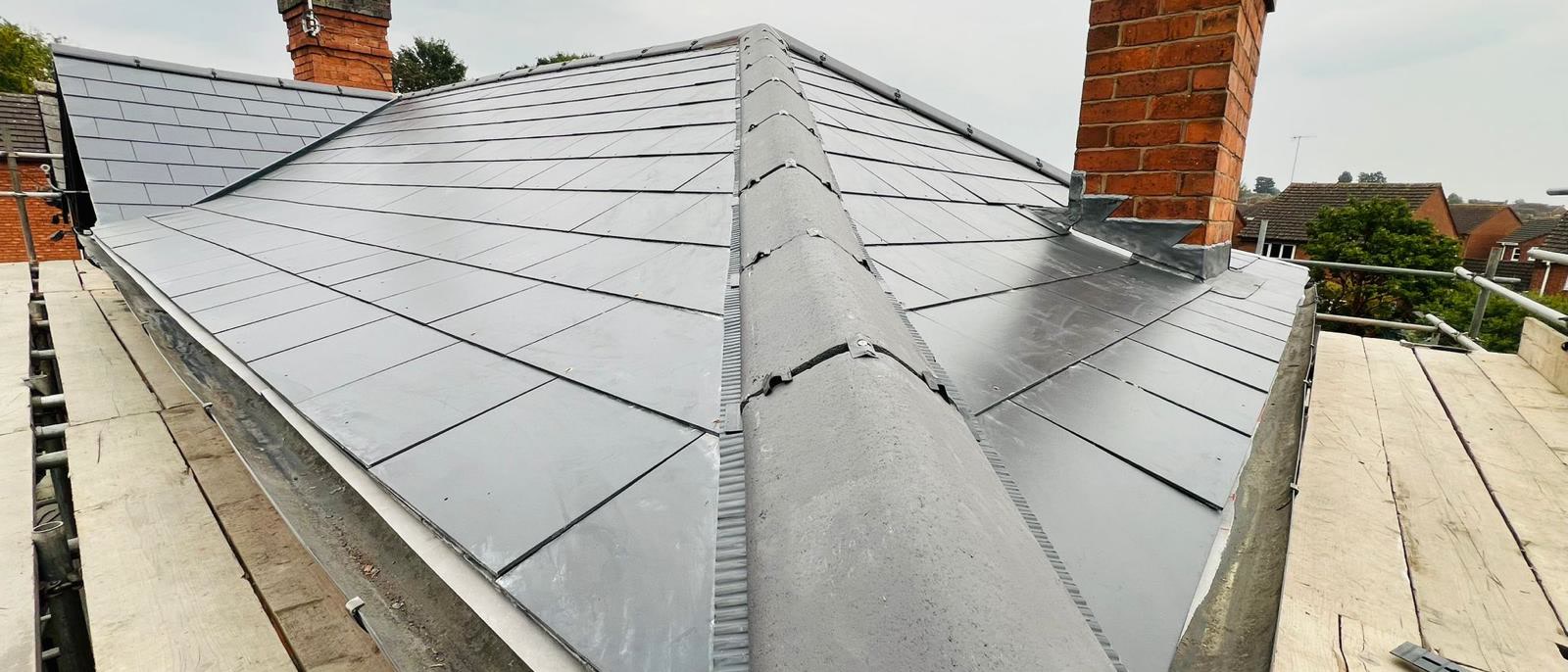
We are JD Home Improvements, a family run roofing team in Shirehampton, and we repair and rebuild chimneys across Bristol and the towns nearby. Here is what chimney repair really involves and how to get yours sorted safely and for good.
What chimney repair covers
"Chimney repair" spans several different jobs, and knowing them makes a quote far easier to follow:
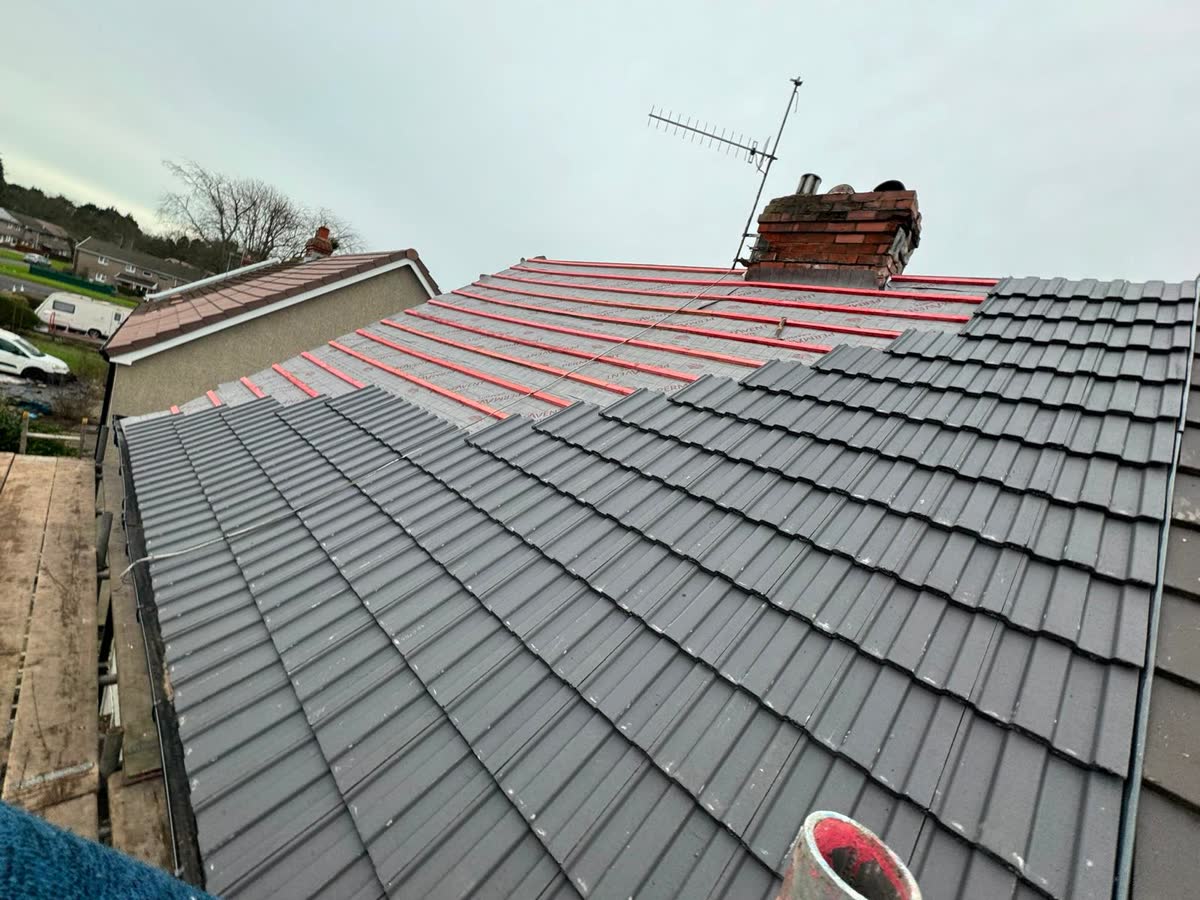
| Job | What it is | Why it matters |
|---|---|---|
| Lead flashing | The metal seal where the chimney meets the roof | The most common source of chimney leaks |
| Repointing | Raking out and renewing the mortar joints | Stops water soaking into the brickwork |
| Flaunching | The mortar bed that holds the pots in place | Cracks here let water straight into the stack |
| Pots and caps | The clay pots and any cowl or cap on top | Keep rain and birds out, especially on disused flues |
| Rebuilding | Taking down and rebuilding a damaged stack | Needed when the brickwork has gone too far |
Lead flashing
Flashing is the shaped lead that seals the join between the chimney and the roof slope. When it lifts or was poorly fitted in the first place, water runs straight down into the roof and shows up as a stain on the ceiling below. Renewing tired flashing is one of the most common chimney fixes we carry out, and it is often the real cause behind a leak people blame on the tiles.
Repointing
Over the years, wind and rain wash the mortar out of the joints between the bricks. Once the pointing has gone soft or dropped out, water soaks into the masonry and the whole stack suffers. Repointing means carefully raking out the old mortar and replacing it with a fresh, weatherproof mix, which both protects the brickwork and smartens the stack up no end.
Flaunching, pots, caps and cowls
Flaunching is the sloping mortar bed on top of the stack that holds the pots and sheds water off the top. When it cracks, rain gets straight into the chimney. We renew flaunching and replace cracked pots, fitting caps or cowls where they are needed to keep weather and birds out.
Cowls are worth a closer look, because each type does a specific job. A rain cowl keeps water out of an unused flue, a bird guard stops nesting jackdaws blocking the chimney, and an anti-downdraught cowl helps a working fire or stove draw properly on an exposed or awkward stack. A cowl on a working flue has to suit the appliance, so we check what is burning below before we fit one. Cowls also corrode or blow off in high winds, and we refix or replace them when they do.
Rebuilding and removal
Sometimes a stack is too far gone for patching, with spalling bricks and failed mortar throughout. In that case we rebuild it, matching the brick and keeping the look of the house. Where a chimney is no longer wanted, we can take it down and make the roof good, which we cover below.
Why chimneys cause so many leaks
Here is the thing to understand about chimneys: they are the most exposed masonry on your whole home. A stack stands proud of the roof on all four sides, so wind-driven rain hits it from every angle and finds any weakness. The flashing is a join between two different materials that expand and move at different rates. The mortar is old, often Victorian, and has had a century of weather. Put those together and it is easy to see why the chimney is usually the first part of a roof to let water in.
The damage also hides well. A leak at the stack can travel down inside the structure and appear on a ceiling a metre away, so homeowners often chase the wrong spot. A proper look at the chimney itself solves many a mystery leak, and keeps the rest of your roof repairs list short.
Chimneys on Bristol homes
Bristol is a city of chimneys. Victorian and Edwardian terraces across Bedminster, Totterdown, Bishopston and Horfield almost all carry a stack, and many sit on the party wall shared between two homes. Those tall, exposed stacks catch plenty of weather, and on higher ground towards Kingswood and the coast the wind works the mortar loose faster still.
A great many of these chimneys are now disused, their fireplaces long since removed, yet the stacks remain. A disused chimney still needs looking after, because once the flashing or flaunching fails, it lets water into the house just the same, open fire or not.
Signs your chimney needs attention
You can spot most chimney trouble from the ground with a pair of binoculars on a dry day:
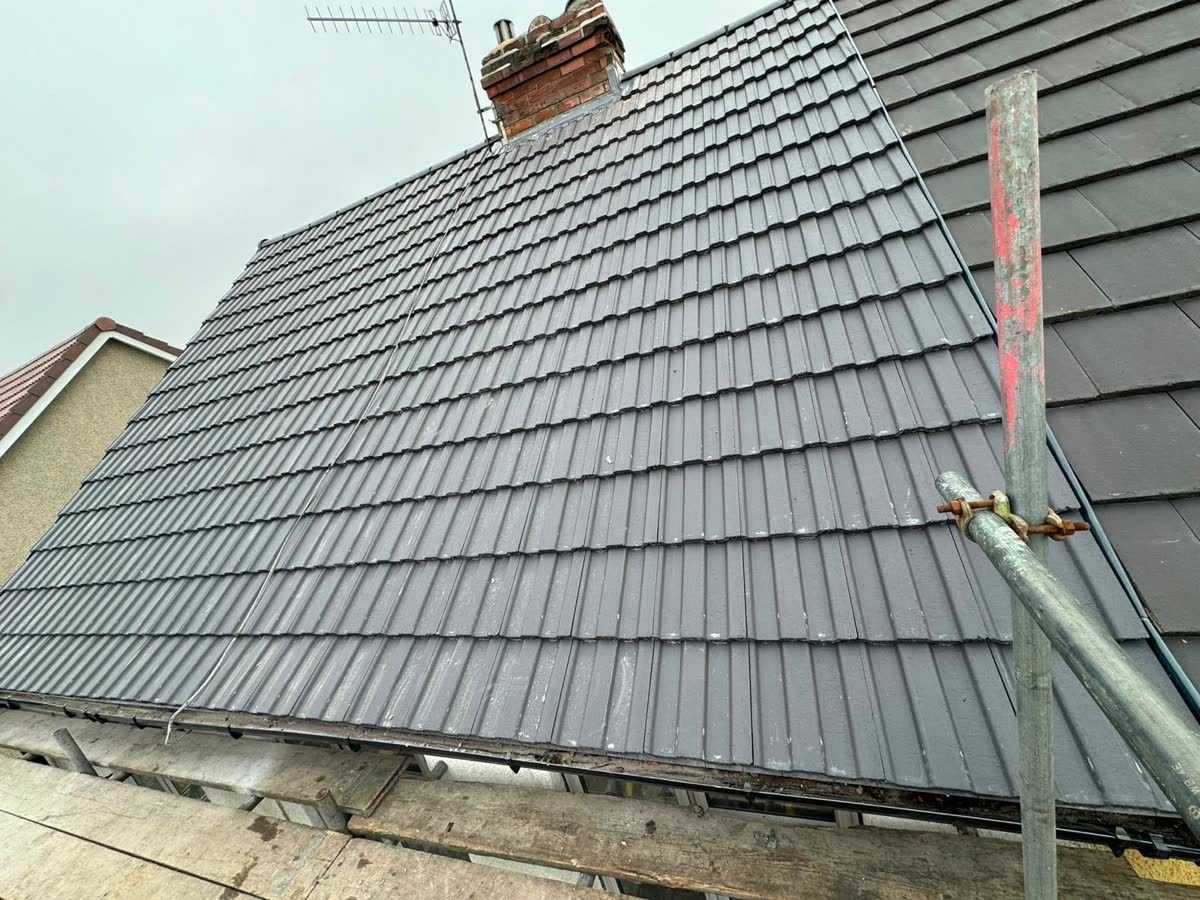
| What you notice | Likely cause | How urgent |
|---|---|---|
| A damp patch on a chimney breast | Failed flashing, pointing or flaunching | Soon |
| Crumbling or missing mortar joints | Weathered pointing | Plan repointing |
| White staining spreading on the brickwork | Water moving through the masonry | Soon |
| A cracked mortar bed around the pots | Perished flaunching | Soon |
| A stack that looks to lean | Eroded mortar or movement | Get it checked quickly |
A leaning stack deserves a special mention. If a chimney looks to be tilting, treat it as a priority and keep clear of it from below, because masonry at that height is heavy and a job for someone to assess properly rather than ignore.
Disused chimney: cap it or take it down?
This is the question we are asked most, so here is the honest answer. Both are valid, and the right choice depends on the stack and what you want.
- Cap it. Fitting a vented cap keeps rain and birds out while still letting the flue breathe. That ventilation matters, because fully sealing a flue traps moist air and brings on condensation and damp. Capping is the cheaper option and keeps the chimney as a feature of the house.
- Take it down. If a stack is unsound, unwanted, or you simply prefer the roofline without it, we remove it and make the roof good so there is no sign it was there. This often pairs with a new roof or re-roof, while the scaffold is already up.
We will talk you through both and let you decide with the facts in front of you.
How we repair a chimney, step by step
Chimney work is height work, so we do it carefully and properly:
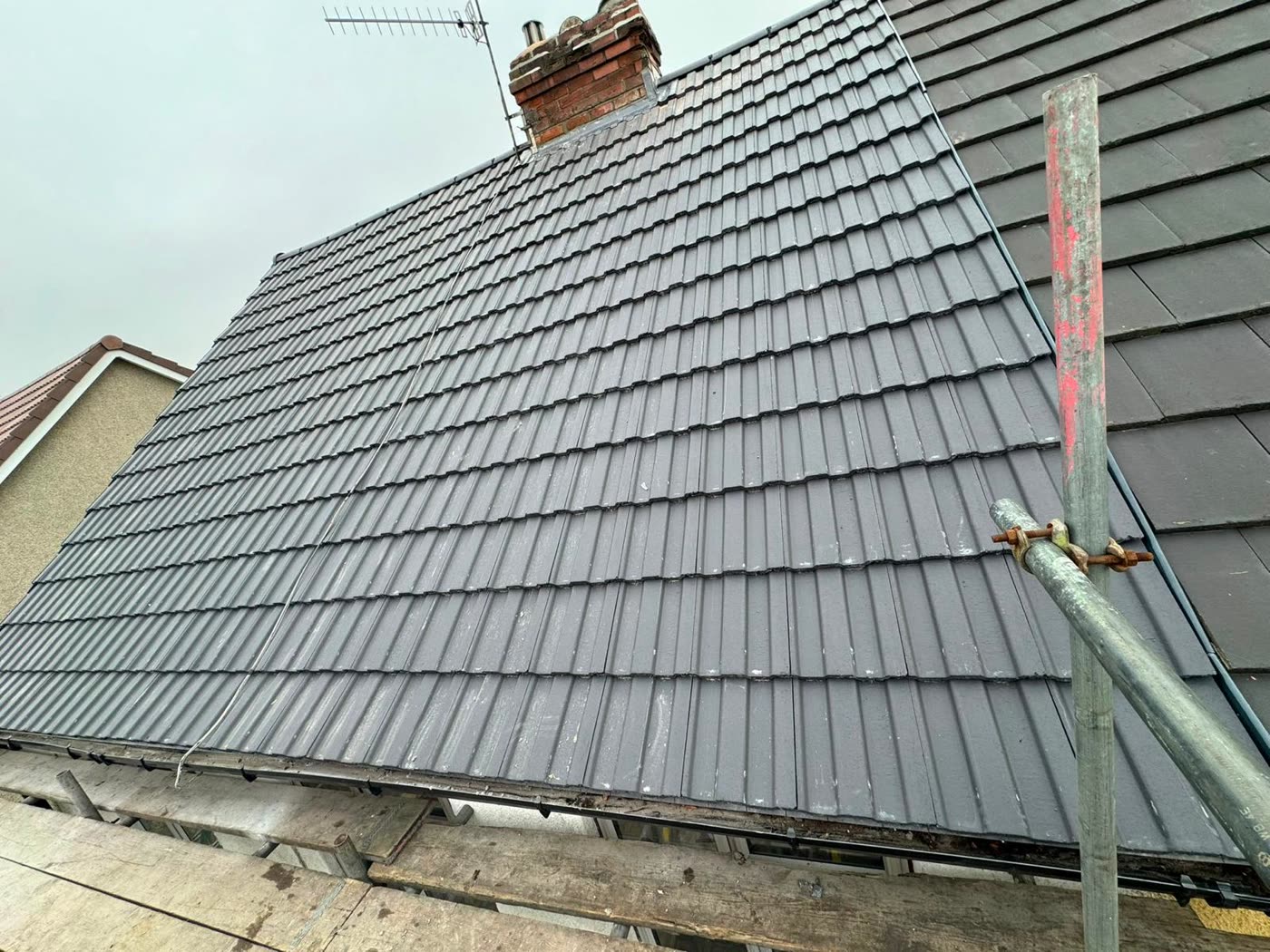
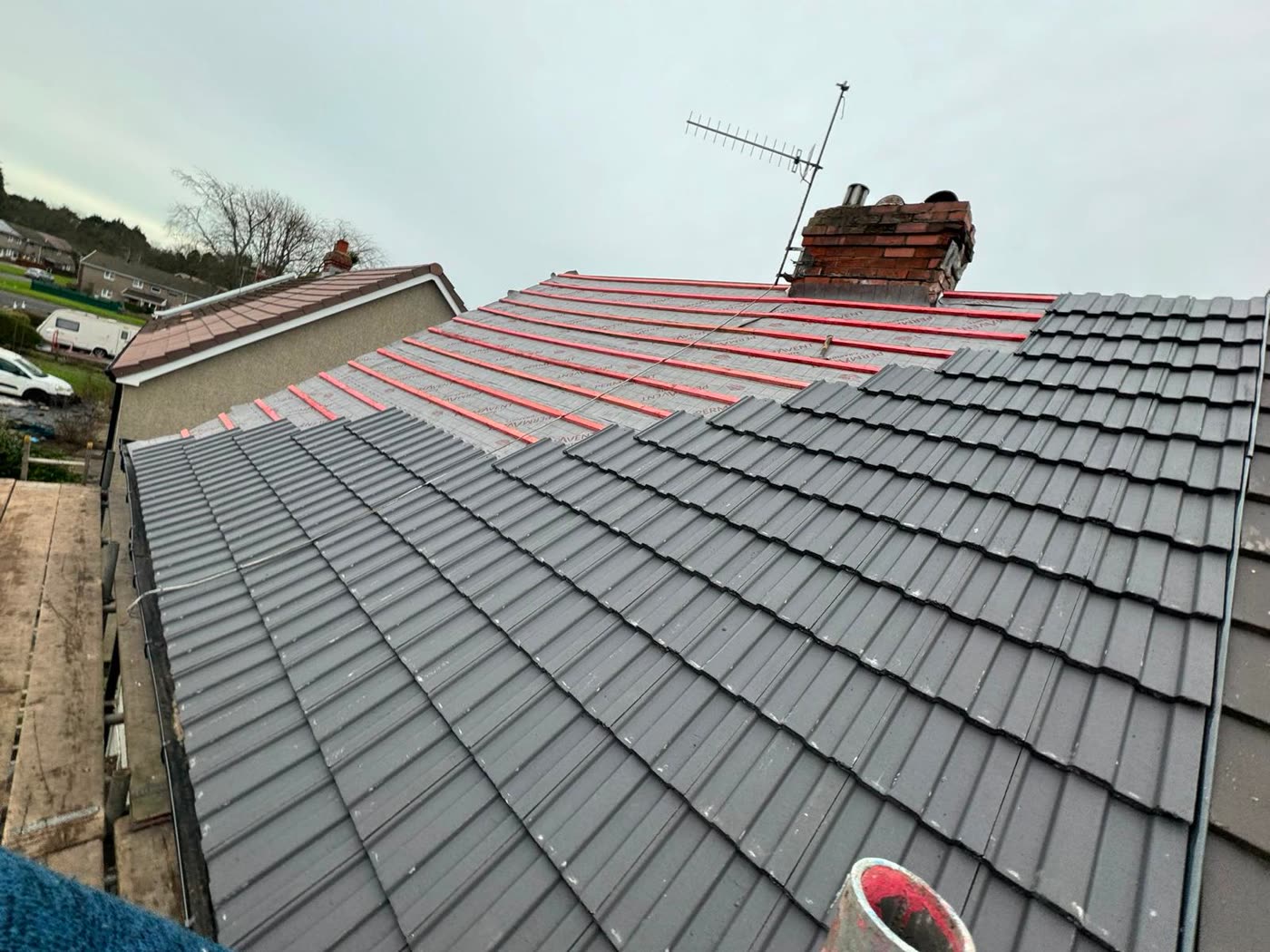
- We inspect safely. We assess the stack and its flashing from a safe position, rather than guessing from the garden.
- We quote in writing. A clear, itemised, no-obligation price.
- We set up scaffold. Chimney work is not a ladder job, so we get proper access in place.
- We carry out the work. Renewing flashing, repointing, re-flaunching, replacing pots and caps, or rebuilding as needed.
- We weatherproof and finish. The stack is left sound and sealed.
- We check and guarantee. A final inspection and our workmanship warranty, with a 15 year guarantee on qualifying work.
What affects the cost
We price every chimney after seeing it, so be wary of a figure given without a look. The main factors are:
- The work needed. Reflashing differs from repointing a whole stack, which differs again from a rebuild.
- Access and height. Taller stacks and awkward roofs need more scaffold.
- The condition. A stack that needs rebuilding is a bigger job than one that needs repointing.
- Matching materials. Sourcing the right brick and pots for a period home takes a little more.
Our quotes are free and come with no obligation. You can request a free quote and we will arrange to come and assess it.
How to choose someone for chimney work
Because chimney work happens high up, the safety and skill of the team matter as much as the price:
- Proper accreditation. We are registered with the Confederation of Roofing Contractors (CORC) and our team holds CSCS cards.
- Scaffold, not a ladder. Steer clear of anyone planning to balance a repoint off a ladder.
- A real inspection and written quote. Never a price guessed from below.
- A proper guarantee. Ours is 15 years on qualifying work.
- Local and accountable. We work from Shirehampton, and you only pay once the job is finished to your satisfaction.
If a stack ever becomes unsafe, we also offer fast call-outs for urgent roof problems.
Areas we cover
We repair and rebuild chimneys across Bristol and the surrounding towns. Tall Georgian and Victorian stacks in Clifton often need repointing and fresh lead, and the Pennant stone chimneys of Staple Hill call for a mortar that suits the stone. Give us a ring if you are unsure whether we cover your area.
Chimney repair FAQs
How do I know if my chimney needs repointing?
Look for mortar joints that have gone soft or dropped out, along with any damp creeping onto the chimney breast inside. If the joints are visibly eroded, repointing protects the brickwork before water gets a real hold.
What causes damp on a chimney breast?
Nearly always failed flashing or worn pointing letting water into the stack. The damp then shows on the breast inside. Fixing the fault at the top is what stops it.
Should I cap a disused chimney or remove it?
Capping with a vented cap is the cheaper route and keeps rain and birds out while letting the flue breathe. Removal suits a stack that is unsound or no longer wanted. We will advise which makes sense for yours.
Do you repair the lead flashing around a chimney?
Yes, renewing flashing is one of the most common chimney jobs we do, and it often cures a leak that looked like a tile problem.
My chimney looks like it is leaning, is that dangerous?
A leaning stack should be treated as a priority and kept clear of from below. Get it assessed quickly, as masonry at that height needs handling properly rather than left.
Do you sweep chimneys?
No, sweeping is a separate trade. We handle the masonry and the weatherproofing. For sweeping a working flue, use a registered chimney sweep.
How long does chimney repair take?
Timings depend on the stack and the weather, and we give you a realistic estimate with your quote. We give you a timescale in your quote.
Let us take a look at your chimney
A chimney is easy to forget until a stain appears on the ceiling, by which point water has usually been getting in for a while. Whether yours needs a reflash, a repoint, a new cap or a full rebuild, we will assess it properly and leave it sound and weatherproof. Browse our other roofing services, or get in touch and we will come and take a look.