
We are JD Home Improvements, a family run roofing company based on West Town Road in Shirehampton, and we carry out emergency roof repairs across Bristol and the towns nearby. Joe, our director, has more than 20 years on roofs, and he leads a team of over a dozen roofers with his son Tommy. Call us on 07717 610410, tell us what is happening, and we will talk you through it and get to you as quickly as we can.
What to do right now
A few calm, simple steps will limit the damage while you wait for us:
- Move what you can. Shift furniture and electricals out from under the leak, then lay down towels or a bucket to catch the drips.
- Mind the electrics. If water is near a light fitting or socket, switch that circuit off at the fuse board, and do not touch anything wet and electrical.
- Ease a bulging ceiling, carefully. If a ceiling is sagging and heavy with trapped water, placing a bucket underneath and making a small hole can let it drain in a controlled way and prevent a sudden collapse. Only do this if you can reach it safely from the floor.
- Note where it is coming in. A quick photo, or a note of which room and roughly where, helps us bring the right materials.
- Give us a ring. The sooner we know, the sooner we can plan to get to you.
Please stay off the roof
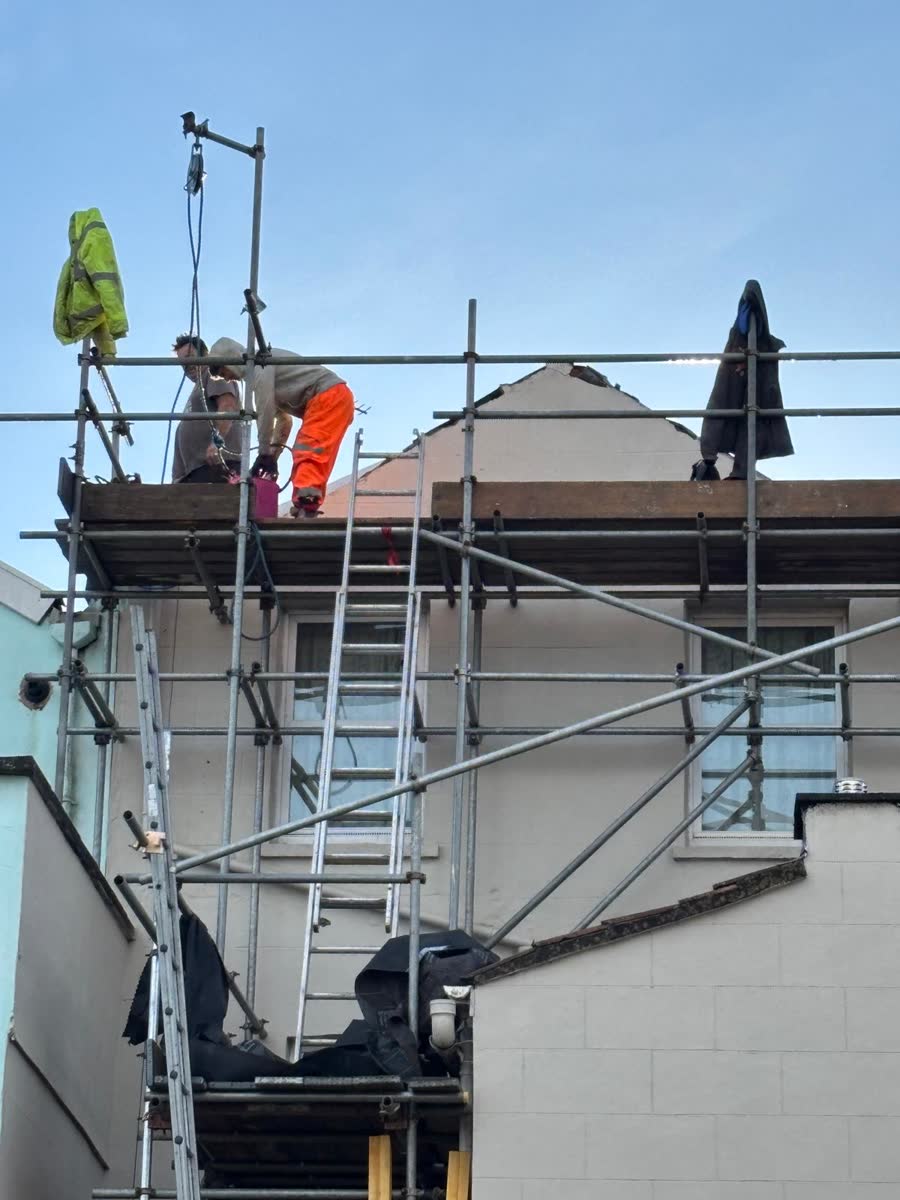
We say this gently but firmly: do not go up onto the roof yourself, and do not climb a ladder in wind or rain. Roofs are slippery when wet, and the weather that caused the problem is usually still blowing. Height is exactly what our team is trained and equipped for, so leave the roof to us.
Keep children and pets clear of any room where water is coming in. If you can see loose tiles or chimney pieces from the garden, keep everyone away from that side of the house until we have made it safe.
What counts as a roofing emergency
Any damage that is letting water in, or that could get worse quickly, deserves an urgent call. Common examples include:
- Water coming through a ceiling during heavy rain, especially if it is spreading or dripping onto electrics.
- Tiles or slates blown off in a storm, leaving a gap in the roof.
- A flat roof that has split or lifted at the edges, letting water into an extension or garage.
- Damaged chimney stacks, with loose bricks or flashing torn away by wind.
- Storm debris on the roof, such as a fallen branch that has broken tiles.
If you are not sure whether your problem counts, ring us anyway. We would much rather talk it through with you than have you worry, and we will tell you honestly if it can wait for a planned visit.
How we help
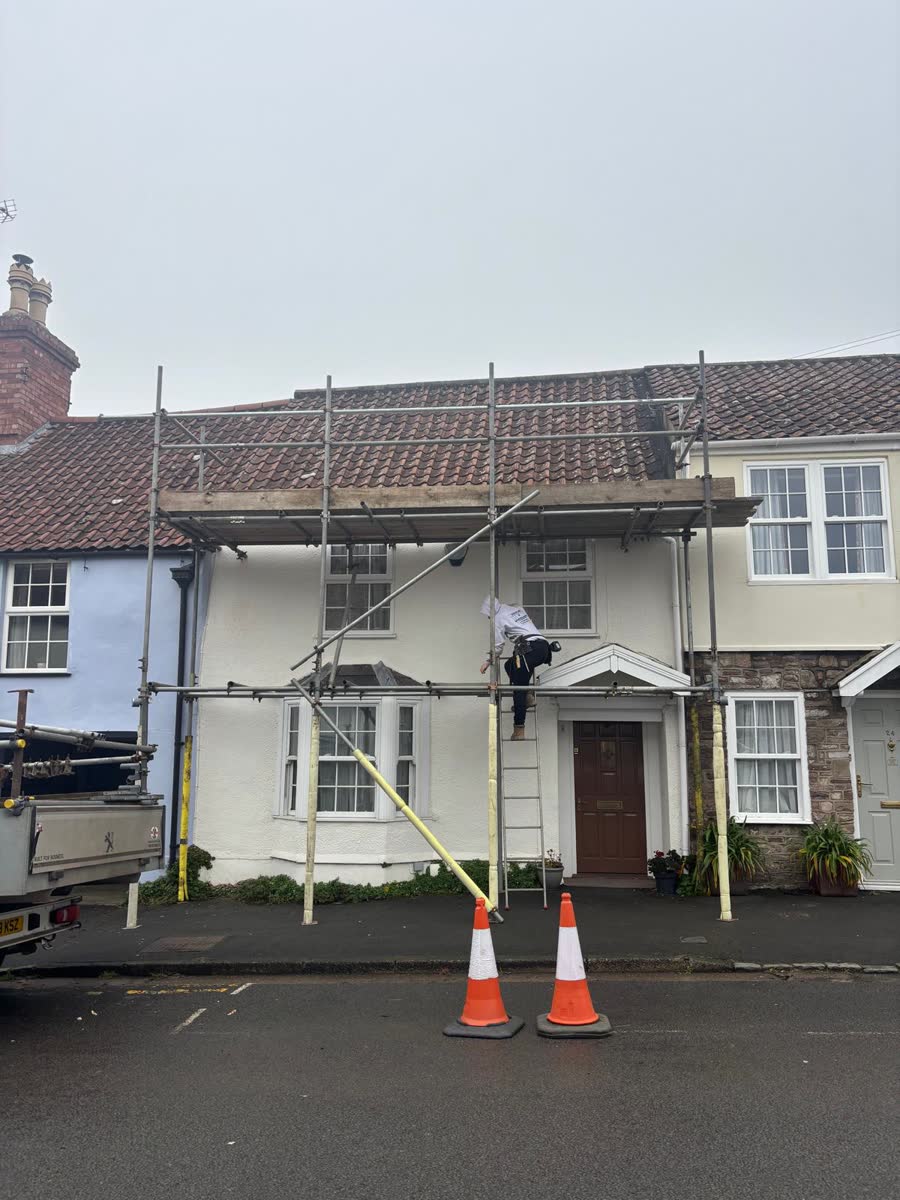
When you call, we will listen and ask a couple of questions about what you can see. Then we arrange to come out as soon as we are able. Our first job on arrival is to make the roof safe and stop more water getting in, so the inside of your home is protected.
Once the weather and the roof allow, we carry out a proper, lasting repair rather than a quick patch that fails again in the next storm. If the damage reveals a bigger problem, such as a roof that is near the end of its life, we explain what we found and give you a free quote for the permanent work. There is never any pressure to agree to more than you need.
Temporary repairs and permanent fixes
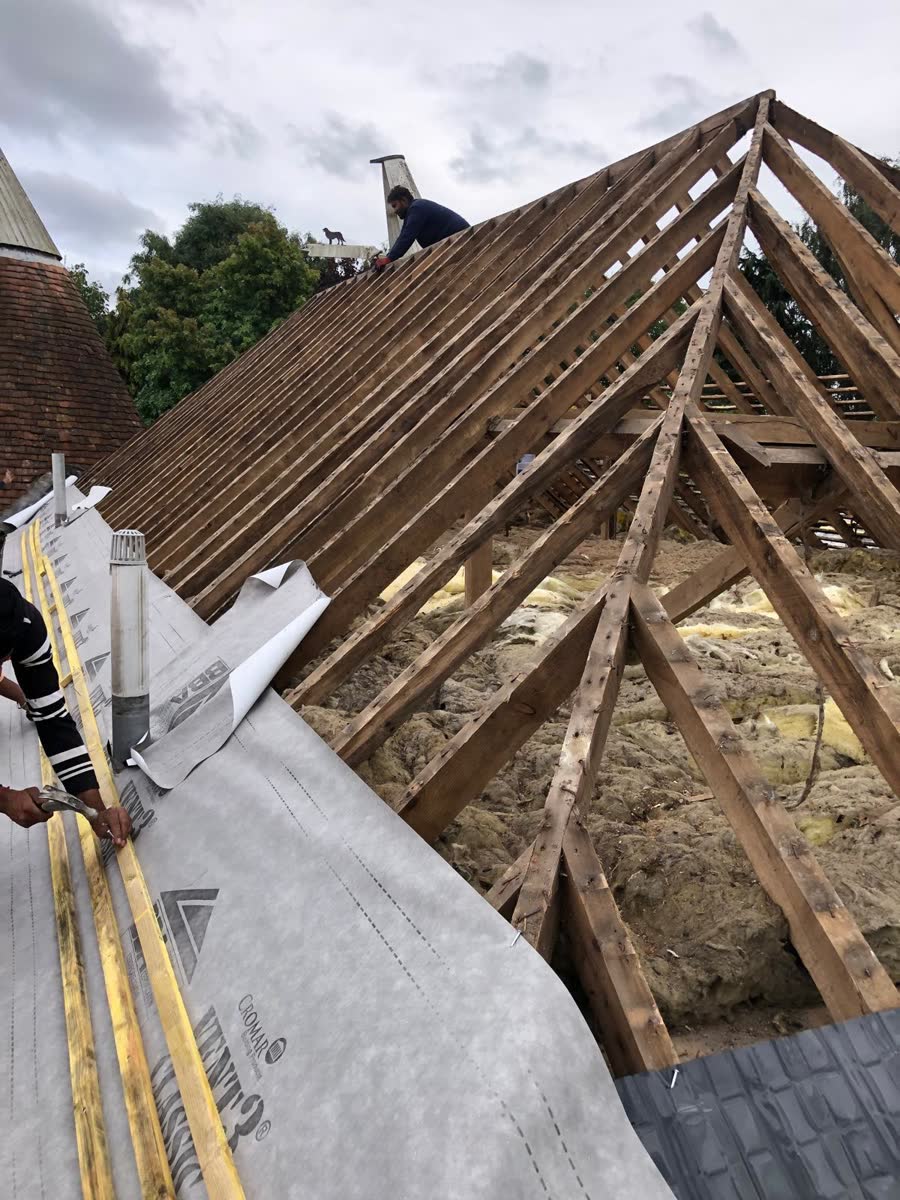
In bad weather, the safest thing is often a temporary repair that keeps water out until conditions improve. Depending on the damage, that might mean refixing displaced tiles or covering a damaged area with heavy-duty sheeting. A temporary repair buys time and protects your home while we plan the proper job.
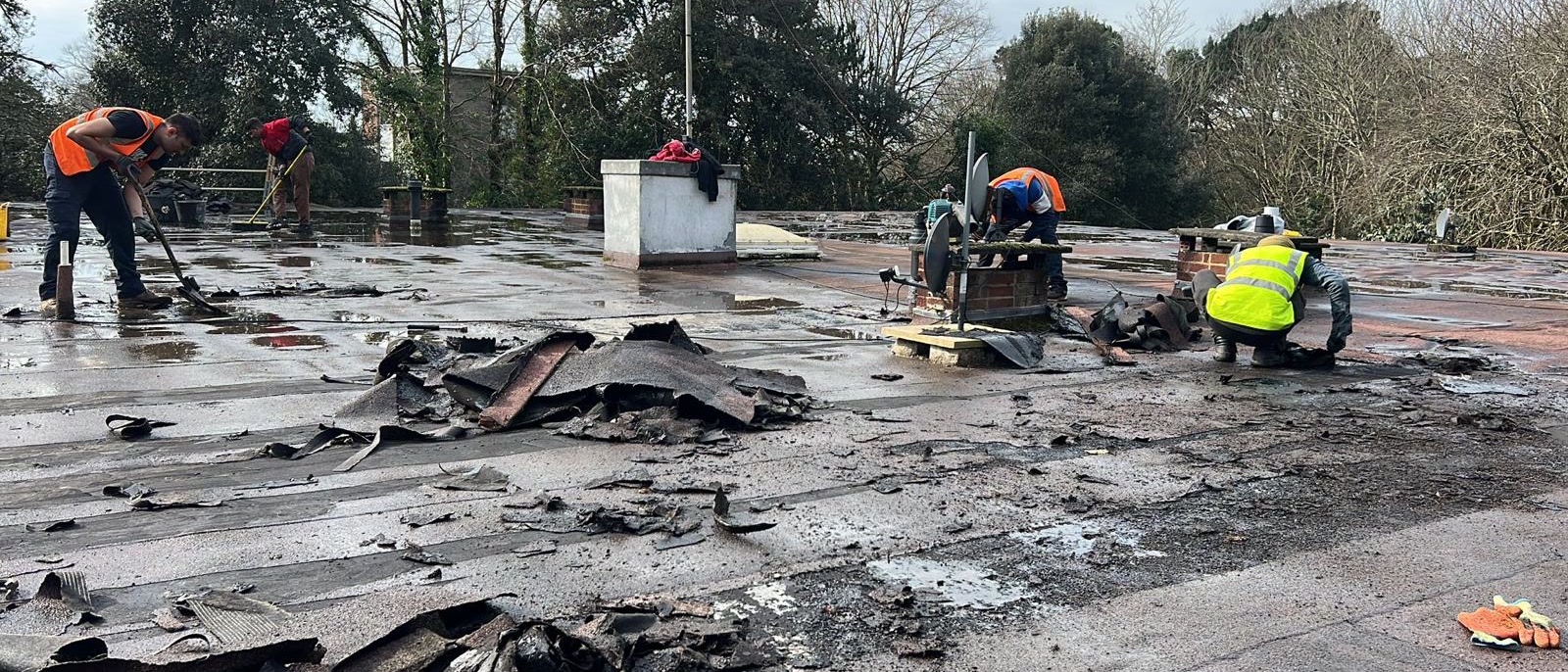
Permanent repairs come next. We replace broken tiles or slates with matching ones and renew damaged flashing. Loose ridge tiles are rebedded or mechanically fixed so they hold firm. Where a flat roof has failed, we strip the damaged covering and lay a new one. You only pay once the finished work meets your approval.
Storm damage across Bristol
Bristol's weather is mild most of the year, but autumn and winter storms bring strong westerly winds up the Severn Estuary. Homes on exposed ground take the brunt of it. In Avonmouth and along the coast at Portishead, wind comes straight off the water, while hilltop suburbs such as Kingswood catch gusts from several directions.
Ridge tiles bedded in old mortar are usually the first to go, followed by tiles at the verges where wind gets underneath. Older slate roofs with corroded nails can lose several slates in one night. After a big storm, it is worth checking your roof from the ground and calling us if anything looks out of place, even if nothing is leaking yet.
Why water appears where it does
A leak rarely shows directly below the hole in the roof. Water that gets past a tile often runs along a batten or rafter before dripping onto the ceiling, sometimes a metre or more away from where it came in. That is why we always look at the roof itself rather than guessing from the stain inside.
Leaks that only appear in heavy rain or strong wind usually point to a slipped tile or a gap in the flashing. Leaks that appear in steady drizzle may come from a blocked gutter or valley backing water up under the tiles. Telling us when your leak appears helps us find the cause faster.
Flat roof failures
Flat roofs on extensions and garages are a common source of urgent calls. Old felt can split in cold weather or lift at the edges in a gale, and once water gets beneath it, the timber deck below starts to soak through. A sagging patch on the ceiling under a flat roof is a sign that water is pooling above.
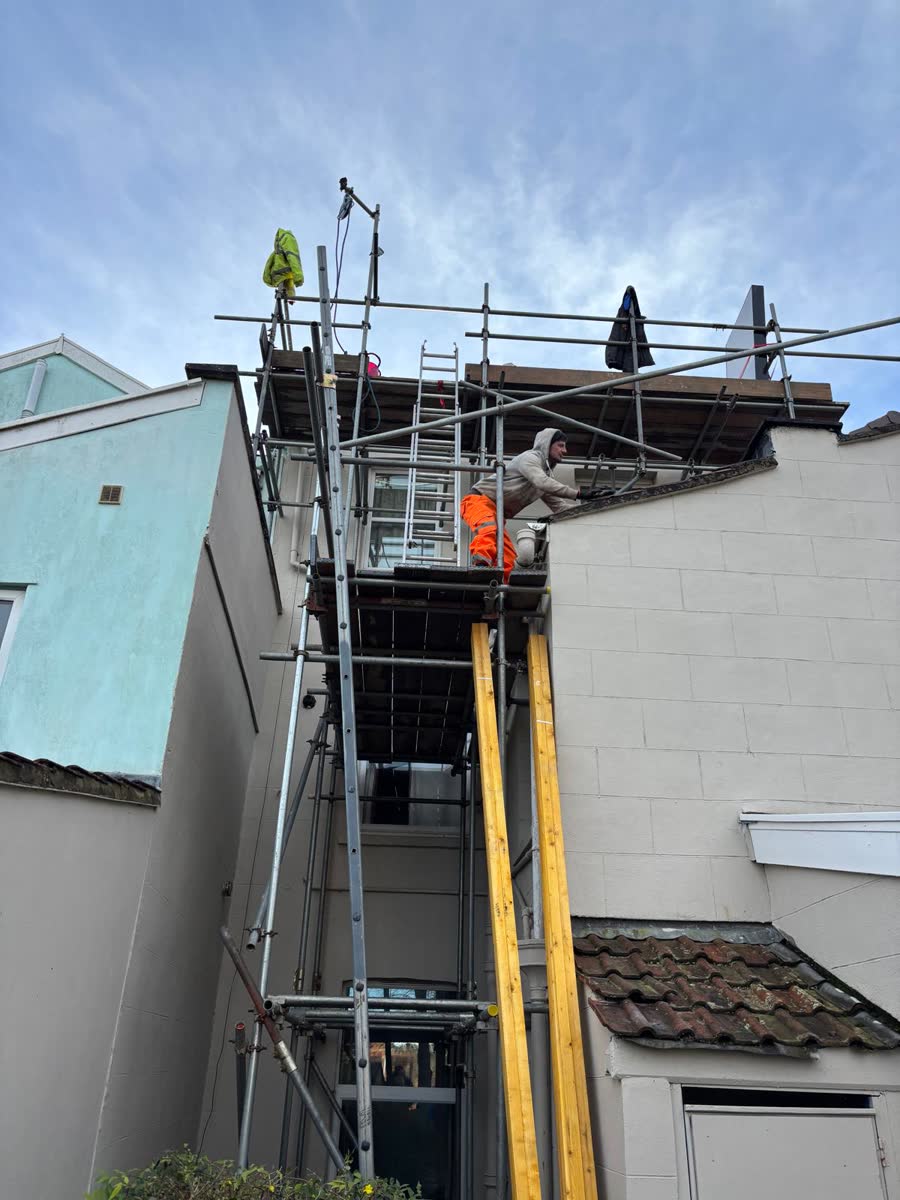
We can usually make a failed flat roof watertight quickly with a temporary seal. A lasting fix often means replacing the covering, and our flat roofing team will explain the options once the urgent work is done.
Chimneys and falling debris
Chimney stacks stand above the roof and catch the full force of the wind. After years of weather, their mortar weakens, and a storm can loosen bricks or crack a pot. Debris falling from that height is dangerous, so if you can see a stack leaning or pieces missing, keep clear of that side of the house and call us straight away.
Once the stack is safe, our chimney repairs service can repoint it and renew the lead flashing, rebuilding the top courses where needed.
After the emergency
When the urgent work is done and things are calm again, we are happy to look over the whole roof. Storms often expose weak spots that were already developing, and dealing with them now prevents the next emergency. We will talk you through any lasting roof repairs the roof needs and give you a free, no-obligation quote.
Preventing the next emergency
Many emergencies start as small faults that nobody noticed. A cracked ridge mortar joint or a single slipped slate lets in a little water at first, and the next storm turns it into a leak. A check every few years, ideally before winter, catches those weak spots while they are still cheap to fix.
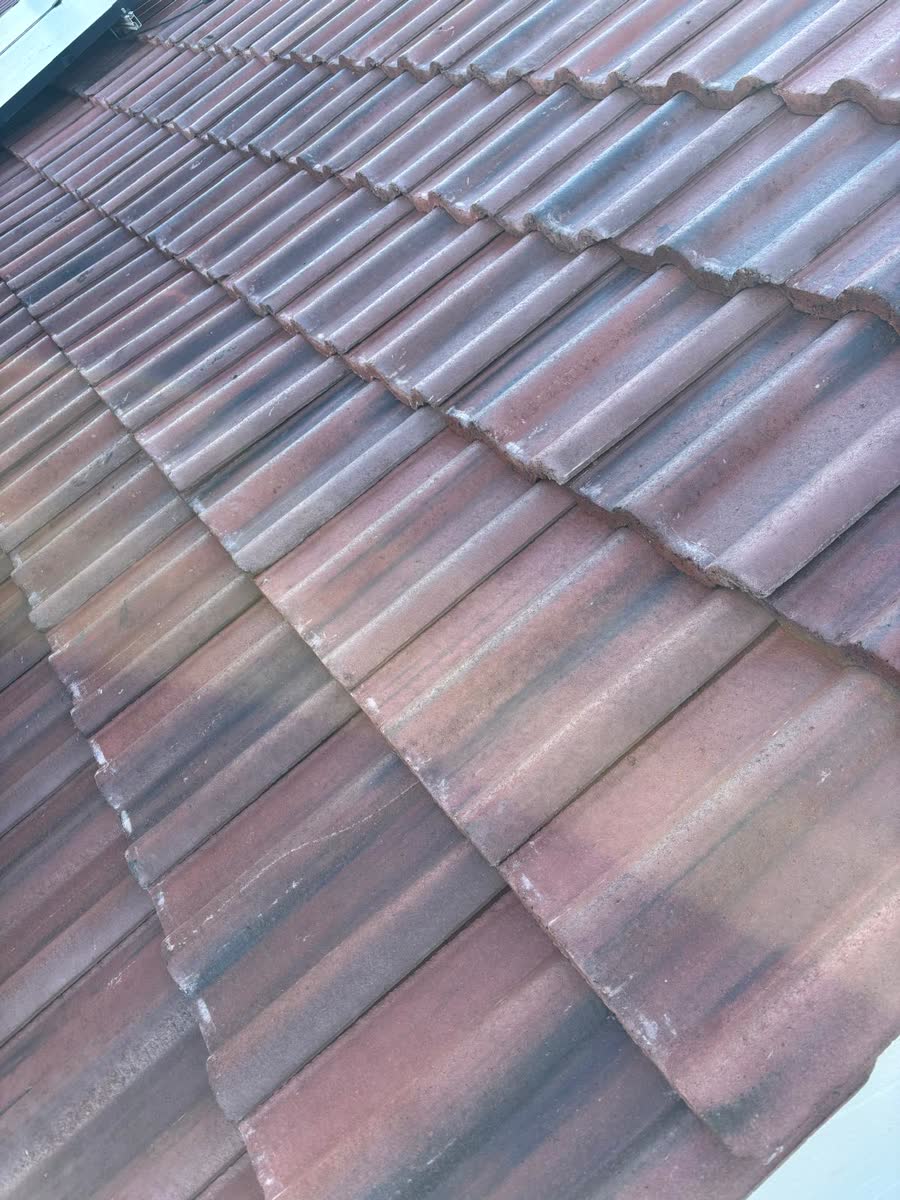
Gutters matter more than most people realise. When leaves and moss block them, rain backs up under the bottom row of tiles or spills down the walls. Clearing them each autumn is one of the simplest ways to avoid an urgent call when the weather turns. If you would like a proper look at your roof before the stormy season, a free quote visit is a good place to start.
Why people call us
- Local and family run. We are based in Shirehampton and cover Bristol and the surrounding towns.
- Pay when happy. We do not ask for payment until the work is finished to your satisfaction.
- Accredited roofers. We are registered with the Confederation of Roofing Contractors, and our team holds CSCS cards.
- Work that lasts. Our roofing carries a 15 year warranty.
Emergency roof repair FAQs
What counts as a roof emergency?
Anything letting water into your home, or damage that could get worse quickly, such as tiles blown off in a storm or a split flat roof. If in doubt, give us a ring and we will help you judge it.
Should I go up and take a look myself?
Please do not, especially in bad weather. Look from the ground or an upstairs window if it is safe, and leave the roof itself to us.
What should I do while I wait?
Move belongings out of the way and catch drips in buckets or towels. Switch off any electrics near the water. A photo of where the water is coming in helps us when we arrive.
Can you repair the roof in the rain?
We can usually make it safe and watertight with a temporary repair. The permanent repair is best done once the weather settles, and we will plan that with you.
What will it cost?
We will be straight with you. Once the roof is safe and we have seen what is involved, we explain the cost clearly, and the full repair comes with a free, no-obligation quote.
When do I pay?
Only once the work is finished and you are completely happy with it.
Will a temporary repair be enough?
A temporary repair keeps water out for now, but it is not designed to last. Once conditions allow, we carry out the permanent repair so the roof is properly sound again.
We will get it sorted
A roof letting water in is stressful, but it is a problem with a clear answer. Stay safe and leave the roof, and the worrying, to us. Call 07717 610410 and we will get to you as soon as we can.